
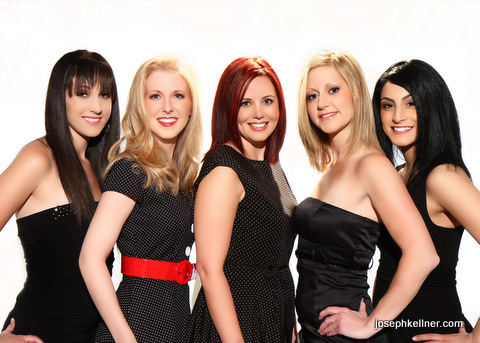
Layered hairstyles are ideal for anyone who wants to add lots of texture their hair. Layers can look great with natural-looking waves or straightened with a flat iron. If you’re getting bored with your style, you might think about changing your color. Here are some hair color ideas for long, layered hairstyles.
Highlights can be one of the best ways to add extra dimension to a layered hairstyle. If your hair color is in the blonde to medium brown range, you may want to think about adding a shade of honey blonde highlights. For darker hair colors, highlights in a shade of vibrant red, copper, or caramel may be a nice alternative. If you’re considering a layered style with side-swept bangs, highlights can look especially good.
If you’re not a fan of highlights or if you’re looking for even more ways to add dimension to your layered hairstyle, consider lowlights. Lowlights are like highlights, except that they are darker than your base color. If you have a shade of dark blonde hair, you may choose to add medium brown lowlights for a funkier look.
One-Tone Hair Color Ideas
Keep in mind that you don’t need to add highlights or lowlights to make long, layered hairstyles look beautiful. There are many beautiful colors that can liven up a layered style. Women with warm reddish or golden skin tones should consider a shade of golden blonde or reddish-brown, those with cool or dark skin tones may want to think about choosing a shade of caramel, bronze, or mocha.
Trends of styles through the years If you watch old movies, you should see how hair and makeup trends have changed through time. Notice how Elizabeth Taylor and Audrey Hepburn’s looks are different and how their hair and makeup are not exactly popular today. These trends however, seem to cycle themselves through time as well. Let’s do a survey on hair and makeup styles, you can even try them on yourself.
1920’s Hair and Makeup
The 1920’s was the age of what is called the flapper fashion. Women started using makeup and applied them in public. Ox blood lipstick was predominantly used during this time. In terms of hairstyles, it was universal to sport short hair, which was a radical move from the long, curtain hair styles before the war. Bobbed, shingle cut and Eton cropped were famous among the younger generations, and cloche hats were in fashion.
1950’s Hair and Makeup
During the 50’s and 60’s, soft hues, peaches and cream were the predominating look. Narrow eyebrows and natural look with minimal blush and eyeshadow was the way to go. Lips were full and lush in color.
The 50’s look was achieved through a very long and arduous process of rolling and pin curling. There were no blow dryers or electric curlers during this time so you could just imagine! Women had to even sleep through their curlers and rollers.
60’s Hair and Makeup
As in the 50’s, what predominant during the 60’s was the extensive use of curlers. Straight hair was totally out, and beauty meant short hair. If you were born on this decade and you had long hair, you would probably wear some party curls and piquant pixies. If you had longer hair, you most probably would have had ruffled and big, curvy curls.
70’s Hair and Makeup
In the 1970’s, the age of disco style, not much changed in terms of makeup; the natural look was still favoured of all. However, makeup hair tips during that time was favoured towards long, smooth and straight hair with a flip towards the end.
80’s Hair and Makeup
Hairstyles in the 80’s were unusually large. Remember how Princess Diana looked like? This big hair look can be achieved through a blow dryer and some styling brush. Rollers and curlers became out of sight. Bob cutes became in, and cosmetic hair products for giving extra volume (mousse and gel) were popularly used.
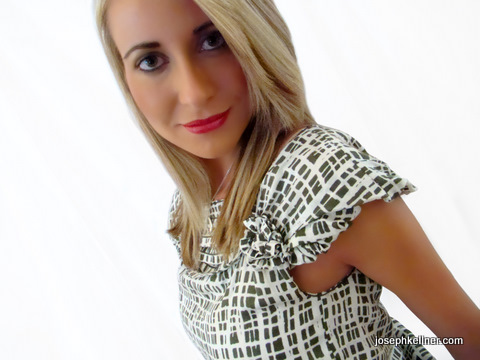
 Hair Color In Orlando
You must be logged in to post a comment.