
Clean Your Makeup Brushes

Why You Need To Clean Your Makeup Brushes NOW!

Makeup is designed to bind with your skin and if you’re not washing your brushes every day, you’re only allowing layer after  layer of makeup to glue to your bristles. Keep them clean. If not and you’re slathering it all over your face and not getting the true color you want to apply that day. And also if you do not clean then you will clog your pores.

Ever wondered why your skin always looks dry and dull and never dewy? Dirty makeup tools only mean dirty, splotchy, spotty, muddy makeup applications.
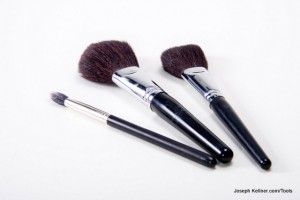
Ever wake up and wonder why your skin looks puffy and bloated? Again, another reason why you should grab your makeup brushes STAT and clean them. I like using baby shampoo and warm water. Apply some shampoo to your warm water and work the makeup out using downward strokes when cleaning blush, contour and foundation brushes. Towel dry and spray some alcohol on the brushes to sanitize them.

This will give you a truly clean makeup application and a lovely scent to your brushes. Also you brushes will be very soft also.  Most women are spending a significant amount on cosmetic brushes in order to achieve desired makeup looks, but they’re not protecting their investment or their skin by properly caring for these tools. Allowing dirt and oils to build up on your brushes only shortens their lifespan. And cause you to have infections especially lip brushes.

Limescale Is Harmful To Color Treated Hair and Skin.

Limescale is that white, chalky residue left behind by dissolved minerals (mostly calcium and magnesium) in your water. The higher the concentration of minerals in your water, the “harder” your water. So, if you have hard water, you’ve probably seen this white residue in your bathtub, sink or even on your glass dishes.  And trust me it’s in your hair also. Either way Limescale sounds like a nasty gross word. But if you have no water softener all the shampoo’s, conditioners, body scrubs and lotions will do no good. Limescale will leave a white film on your scalp, skin and fade artificial hair color fast!

The abundance of minerals and chemicals in hard water can leave behind buildup, so washing with it can leave behind a film-like residue. On skin, that residue can exacerbate breakouts, dryness and even bring on irritation, especially if you have sensitive skin. That’s not all: Hard water can affect the skin on your scalp, too, causing dryness and that tell-tale itch.

As for your hair, it may feel like it does when you haven’t thoroughly rinsed out all of your shampoo. So, you might notice it feeling dull, limp or super-dry (think straw-like) to the touch. On top of that, hard water can also lead to faster fading and altered color in color-treated hair. Minerals in hard water, like calcium and magnesium, bond to hair. This causes hair to look dull or discolored.

Most people can’t even tell if they have hard water. But if you can’t explain your dry skin and suspect your water, there are a few steps you can take. Clarifying shampoos contain chelating agents, which bond to the excess minerals on the hair, allowing them to be removed. Good to do at least once a week.  And for the skin try cleansing with a Micellar Cleanser which removes tiny particles and doesn’t require rinsing with water.

If all else fails get a water softener. Soft water, on the other hand, only has de-ionized sodium in it (sometimes it’s natural, and sometimes it’s the result of water treatment). Like hard water, it’s completely safe for drinking, bathing and cooking. And, unlike hard water, it’s actually kind of moisturizing. Some even say that soft water gives skin and hair a slippery feel.

Whether you have hard water or soft water might not even be a concern to you. And, if you don’t notice any adverse effects, there’s no reason to treat it. But if you have adjusted your beauty routine and don’t notice any improvement, it could be worth checking out.